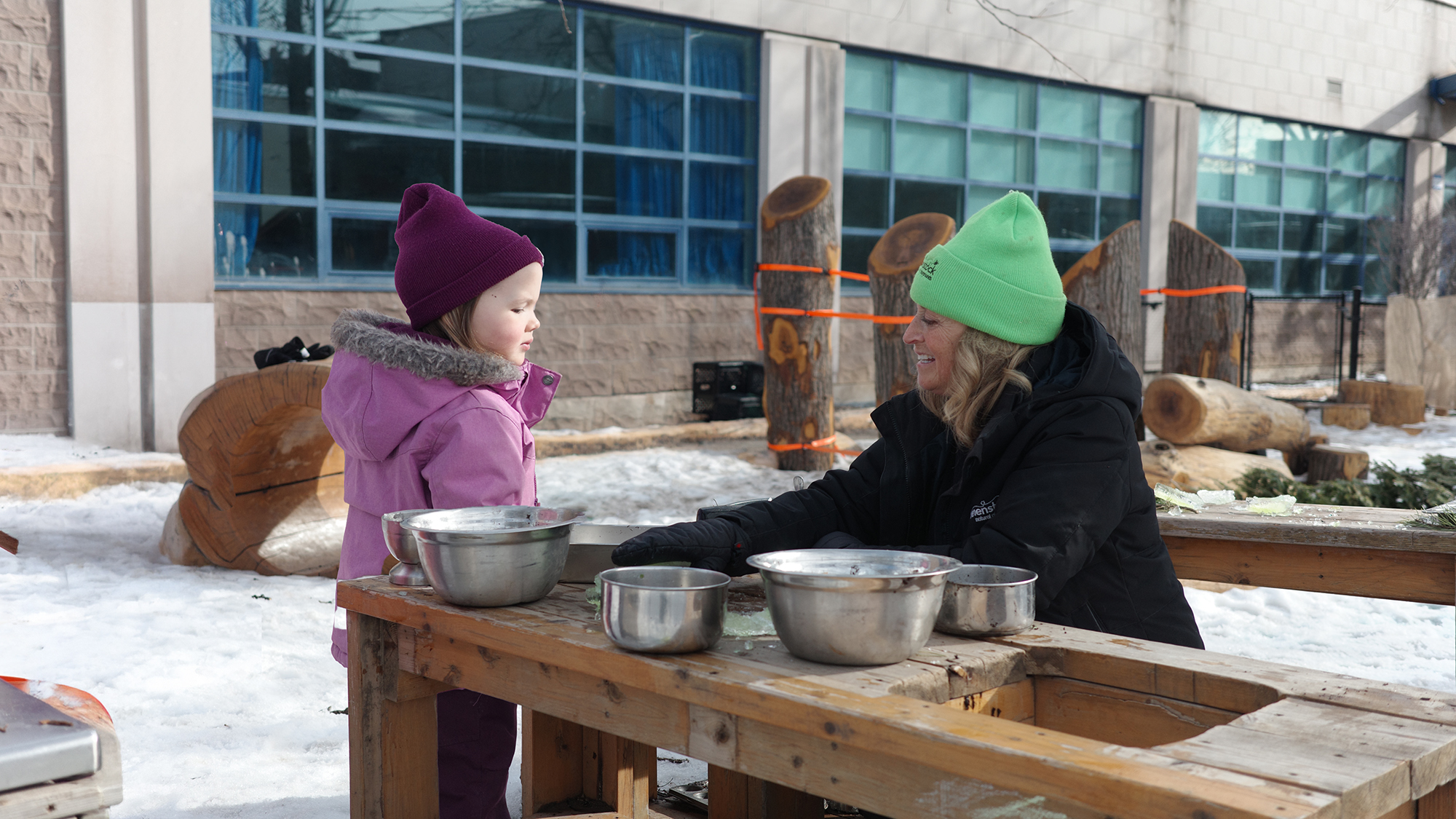
The ribbon cutting is not the finish line. It is the moment the real story begins.
For many organizations, opening day feels like the culmination of everything: the planning, fundraising, design meetings, construction, and anticipation. It is the moment donors are thanked, photos are taken, and the project is officially introduced to the community.
But in our experience, that is not where success is proven.
The real value of a project shows up in what happens next.
It shows up in the child who returns to the space with growing confidence. It shows up in the educator who starts using the environment as an extension of the classroom. It shows up in the family who sees an organization’s mission come to life in a tangible way. It shows up in the community that begins to understand this was never just a project. It was an investment in experience.
That is an important shift for leaders who are asking a fair question: was this worth it?
For heads of school, child care directors, museum leaders, church leaders, boards, and planning committees, that question often carries real pressure. Projects like these require trust, time, capital, and long-term commitment. They are tied to donor expectations, enrollment goals, family engagement, and organizational mission.
The answer is not found in the ceremony. It is found in the life of the space afterward.
When Philosophy Becomes Visible
Many organizations begin with a strong philosophy. They talk about curiosity, belonging, sensory engagement, community, stewardship, and nature play. But those ideas only become meaningful when people can actually experience them.
That is one of the most important benefits of natural playgrounds. They make values visible.
A mission statement can describe what an organization believes. But when children are building with loose parts, exploring pathways, observing insects, experimenting with water, or finding quiet moments beneath trees, those beliefs become real. The environment makes an organization’s values visible through lived experience.
That matters to families. It matters to educators. It matters to donors. And it matters to boards trying to understand whether an investment is creating lasting value.
What Success Actually Looks Like
If success is not the ribbon cutting, what is it?
Success looks like use.
It looks like children returning to the space again and again. It looks like spontaneous social collaboration, curiosity, discovery, and confidence. It looks like educators integrating the environment into daily learning. It looks like families connecting emotionally to a place and seeing pride, joy, and belonging in the children who use it.
That is where the long-term value of natural playgrounds becomes clear.
The strongest environments do more than open well. They keep giving back. They continue to support learning, engagement, and connection long after construction ends.
What Happens After Opening Day
We see this clearly in places like Trinity Episcopal School, where the impact of the space extends well beyond the day it opened.
That kind of environment is not successful because it was completed. It is successful because it continues to create opportunities for exploration, participation, and connection. It becomes part of how the school’s mission is lived, not just described.
That is the difference between a finished project and a living environment.
A finished project can be photographed. A living environment keeps unfolding. It changes with the seasons, with the children who use it, and with the educators and families who find new meaning in it over time.

What Leaders Should Be Looking For
- After opening day, leaders should look beyond milestones and ask different questions.
- Are children engaging deeply with the space?
- Are educators using it in ways that support learning and participation?
- Are families connecting to it?
Does the environment reflect the organization’s mission in a way people can actually feel?
Is it strengthening belonging, engagement, and community connection?
Those are the indicators that matter most. They tell you whether the investment is still creating value and whether the environment is doing what it was meant to do.
The Real Reward
- Completing a project is rewarding. Opening it is rewarding.
- But the most meaningful moment is seeing children, families, educators, and communities bring the space to life.
- That is what happens after the ribbon cutting.
- And in the best projects, that is where the real return begins.
If you are thinking about how to bring your vision to life through a sensory-rich, mission-aligned outdoor environment, we would love to continue the conversation.